
EN
Short answer: No. Kosasa.lol carries a trust score of zero on ScamAdviser, and the data behind that number points to a phishing setup rather than a real business.
Here is what we found and what it means for you.
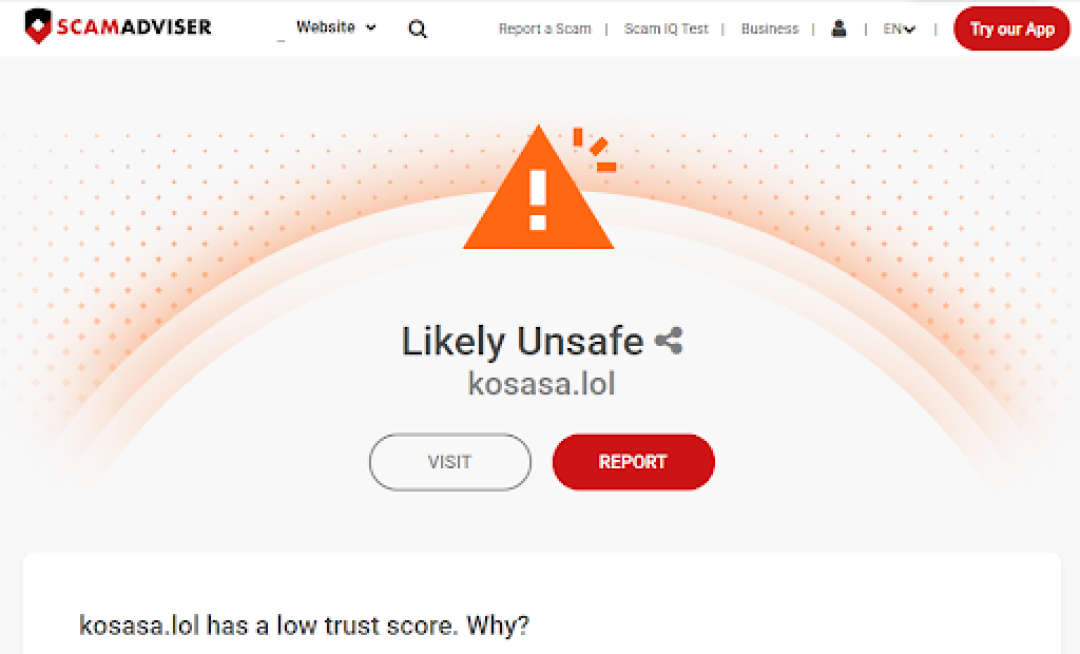
A ScamAdviser check on kosasa.lol puts the site's trust score at 31 out of 100, and flags it as suspicious. The domain also shows a low Tranco ranking, which means very few visitors reach it through normal browsing. That is common for a site that gets its traffic from ads, spam messages, or links passed around directly, rather than from search or word of mouth. The page itself displays under the name "Dersim Planet" and describes itself only as a "digital utility," language vague enough to fit almost anything, which is a pattern worth treating as a warning sign rather than a coincidence.
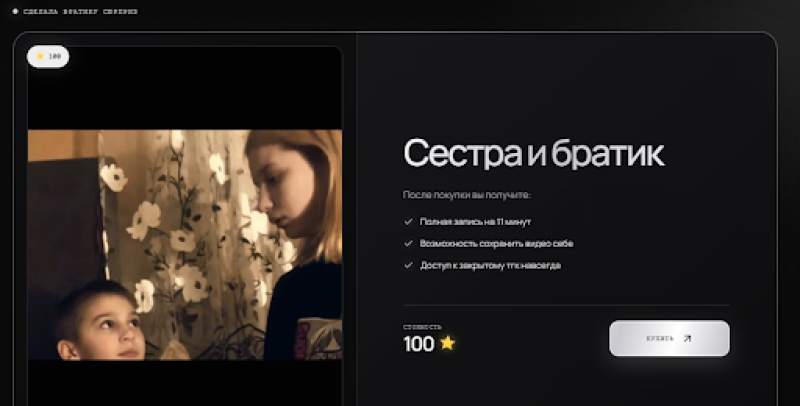
The version of the page loaded for review used Russian text, despite a domain name and marketing that read as generic and international. A mismatch between the language a site is written in and the audience it appears to be chasing is a common sign that a template has been copied and reused across several scam campaigns, sometimes translated badly, sometimes not translated at all. If you landed on kosasa.lol through an English-language ad, message, or search result, and the page you got showed Russian text, that gap alone is reason enough to leave.
Kosasa.lol does hold a valid SSL certificate, but it is a Domain Validated (DV) certificate, the free, basic tier that confirms only that someone controls the domain, not that the business behind it is real. Free DV certificates are standard on phishing pages precisely because they are quick to get and cost nothing to renew. WHOIS records for the domain are hidden, so there is no way to check who registered it or when. Combine a hidden owner with a vague description and a fresh, low-traffic domain, and you have most of the ingredients ScamAdviser's guide to fake online shops warns readers to check before entering any payment details.
The clearest signal here comes from IPQS, one of the threat intelligence feeds ScamAdviser pulls into its trust score, which flagged kosasa.lol directly for phishing and marked it as suspicious on a separate check. That is not a guess based on appearance. It means automated scanning tied the domain to phishing behavior, the kind of setup built to harvest login details, payment information, or personal data through a page made to look like something else. Sites in this category often rotate domain names once one gets reported, so kosasa.lol may reappear later under a different address with the same layout. ScamAdviser's guide to recognizing phishing covers the broader patterns these sites tend to share, from mismatched sender details to links that lead somewhere other than what they claim.
Kosasa.lol combines a zero trust score, a direct phishing flag from IPQS, hidden ownership records, and content in a language that does not match how the site appears to be marketed. None of that points to a functioning business. If you entered any information on the site, change the password on any account that used the same login, and watch your bank or card statements for charges you do not recognize. You can report the site to the FBI's Internet Crime Complaint Center (IC3) so the report becomes part of the record law enforcement uses to track these campaigns. Before visiting any unfamiliar site, running it through ScamAdviser first takes a few seconds and can save you the trouble entirely.
This article has been written by a scam fighter volunteer. If you believe the article above contains inaccuracies or needs to include relevant information, please contact ScamAdviser.com using this form.
Adam Collins is a cybersecurity researcher at ScamAdviser who operates under a pseudonym for privacy and security. With over four years on the digital frontlines, he specialises in translating complex threats into actionable advice. His mission: exposing red flags so you can navigate the web with confidence.
