
EN
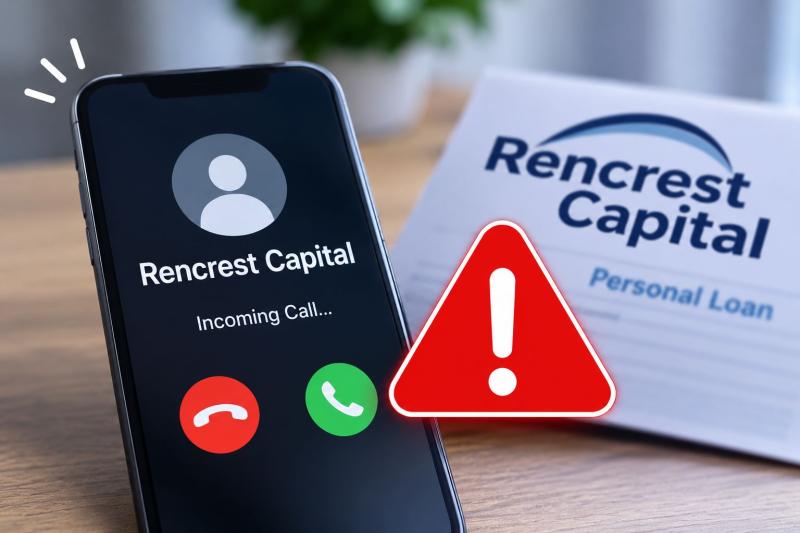
Rencrest Capital text messages, phone calls, and robocalls are raising concerns because they involve unsolicited financial offers, including hardship loans, debt relief, and supposedly available government grants. These communications may sound convincing, especially when callers mention pre-approved loans, low interest rates, or same day funding. However, the offers can be used to trick people into sharing sensitive personal and financial information or paying fees for loans that do not exist.
Scammers using the name Rencrest Capital may contact people through automated calls, text messages, or call center representatives. They may claim that recent Federal Reserve interest rate changes have created new hardship options or that the recipient qualifies for a special personal loan. Their goal is to make the offer sound urgent and legitimate so that people respond without checking the details.
It is important to understand that receiving a message or call does not mean you have been approved for a loan. You should be particularly careful if the sender asks for your Social Security number (SSN), bank account information, credit card details, or an upfront payment.
Let's look at how these communications work, the warning signs to recognize, and what you should do if you receive a message or call claiming to be from Rencrest Capital.
The Rencrest Capital related communications appear to be part of a financial phishing and advance-fee loan scheme. People may receive unexpected calls or messages claiming that they qualify for a personal loan, debt relief program, or special financial assistance.
A particularly concerning detail is that the caller may already know how to make the offer sound relevant to the recipient. For example, they might mention financial difficulties, rising interest rates, existing debt, or an opportunity to receive money without a hard credit check.
The important point is that scammers can use a financial sounding name to create trust but a familiar or professional sounding name does not establish that the caller represents a legitimate lender.
These communications can follow several steps designed to convince people that they have a genuine financial opportunity.
The first contact may arrive through an unexpected phone call, automated voicemail, or text message. The caller might introduce themselves as a representative of Rencrest Capital and claim that they are contacting you about a personal loan or financial assistance program.
For example, you might receive a voicemail saying:
"Hello, this is a message regarding your pre-approved personal loan. You may qualify for a special hardship assistance option. Please call us back to complete your application."
The purpose of this voicemail is to encourage you to call back or respond to the message.
After getting your attention, the caller may promise attractive financial terms, such as:
These offers can sound particularly appealing to people dealing with financial difficulties. However, an unsolicited offer does not mean you qualify for a loan or government assistance.
Once you show interest, the caller may ask for personal information to supposedly verify your eligibility or complete your application.
This could include:
Sharing these details with an unverified caller can expose you to identity theft, unauthorized financial transactions, and other forms of fraud.
Another possible tactic is asking for an advance payment before releasing the promised loan.
The caller might describe the payment as:
They may claim that the payment is necessary to approve or transfer the money into your bank account. However, paying an upfront fee to receive a promised loan is a major warning sign. Advance-fee loan schemes use promises of guaranteed credit to convince people to pay money before receiving a loan that does not exist.
The exact wording can vary, but the following examples illustrate the types of communications you should be careful about.
Example 1: Pre-Approved Loan Text:
“Congratulations! You have been pre-approved for a personal loan through Rencrest Capital. No hard credit check required. Same-day funding may be available. Reply YES or call us now to claim your offer.”
Why is it suspicious? You may not have applied for a loan or given permission to receive this offer. The message uses pre-approval and same-day funding to encourage an immediate response.
Example 2: Hardship Loan Robocall:
“This is an important update regarding your financial hardship options. Due to recent Federal Reserve rate changes, you may qualify for a special loan program. Press 1 or call our representative to check your eligibility.”
Why is it suspicious? It connects interest rate changes with a supposedly available personal loan and encourages you to respond without providing independently verifiable information about the lender or program.
Example 3: Upfront Processing Fee Request:
“Your Rencrest Capital loan is ready for release. Please complete the $250 insurance and processing payment to activate your funding. Payment must be completed before the transfer.”
Why is it suspicious? It demands money before providing the promised loan. Such advance-fee requests are a common feature of fraudulent loan offers.
Here are some warning signs that can help you recognize suspicious communications using the Rencrest Capital name.
Receiving an unsolicited loan offer should make you cautious, particularly if you never contacted the lender or submitted an application. Scammers often use unexpected calls and messages to get people interested in financial offers they never requested.
Be careful when callers promise guaranteed approval, regardless of your credit history, income, or financial situation. Claims of instant approval and no credit checks can be used to make an offer sound more attractive.
A caller might say that your offer expires soon, that your application is almost complete, or that you must act before a special financial update ends. This urgency is intended to prevent you from taking time to investigate the offer.
An unverified caller should not receive your SSN, bank account details, credit card number, or other sensitive information simply because they claim to offer financial assistance.
Requests for processing, insurance, verification, or account activation payments before releasing a loan are major warning signs. Be especially careful if the caller requests gift cards, cryptocurrency, wire transfers, or other difficult to reverse payment methods.
Be cautious if someone claims you have been selected for a government grant without submitting an application. The government does not randomly contact individuals to award personal grants, and legitimate federal grant applications do not require upfront payments to receive grant money.
Consumer-submitted reports published on the BBB Scam Tracker describe suspicious calls and messages involving similar names, including Ren Crest Capital and Rencrest Capitol. These reports mention unsolicited automated loan offers and supposed instant loan approvals, raising concerns about possible phishing and financial fraud.
However, we cannot establish that every communication using the Rencrest Capital name comes from the same source or that every similarly named business is connected to these reports. You should not trust an unsolicited loan offer simply because the caller uses a professional-sounding financial name.
If you receive an unexpected message or call promising hardship loans, debt relief, or government grants, do not share personal information, pay upfront fees, or follow the caller's instructions without independently verifying the offer.
For additional protection, check whether the lender is registered with the relevant state financial regulator and look for independent complaints involving its name and phone numbers. Research unfamiliar lenders carefully before sharing personal information or paying any fees.
If someone contacts you using the Rencrest Capital name, take the following precautions:
The FTC also advises consumers not to trust caller ID because scammers can manipulate the displayed name and phone number to make calls appear legitimate. This practice is known as caller ID spoofing.
If you have already provided personal or financial information to someone claiming to represent Rencrest Capital, take action as soon as possible.
You can also visit IdentityTheft.gov for guidance on recovering from identity theft.
The Rencrest Capital text messages, phone calls, and robocalls are a scam designed to exploit people looking for financial assistance. Scammers using the Rencrest Capital name may falsely offer hardship loans, debt relief, or fake government grants to steal sensitive personal information and money.
If you receive an unexpected call or message using this name, proceed with extreme caution. Never share your Social Security number, bank account details, or credit card information with unverified callers. Do not pay upfront processing or insurance fees to secure a promised loan.
Always verify lenders independently before sharing information or making payments. If you receive a suspicious message or call, do not respond, click links, or follow the caller's instructions. Block the number and report the incident to the appropriate authorities.
The information in this article is provided for educational and awareness purposes. Company names, phone numbers, sender names, and other details referenced may have been impersonated, spoofed, or otherwise misused by scammers. Their appearance in this article does not necessarily identify the legitimate company, owner of a phone number or account as being involved in fraudulent activity.
This article has been written by a Scam Fighter Contributor, De-Reviews.com Team. If you believe the article above contains inaccuracies or needs to include relevant information, please contact ScamAdviser.com using this form.
De-Reviews.com Team is a group of scam researchers, editors, and online safety advocates dedicated to exposing online fraud and helping consumers stay safe online. The team has been investigating scams, fraudulent websites, phishing campaigns, and other online threats since 2014. Read the Full Author Profile.
