
EN
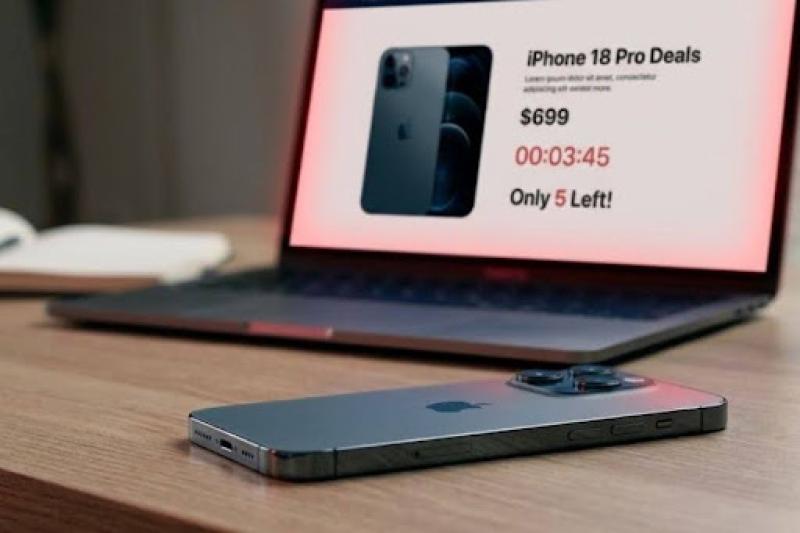
Apple opened pre-orders for the iPhone 18 Pro and iPhone 18 Pro Max on September 12, 2026, and within a day iPhone 18 Pro scam sites had already spread across the web in numbers large enough to draw warnings from fraud researchers and journalists covering the launch.
New domains referencing the iPhone 18 have been registered by the hundreds since Apple's September 9 announcement, according to scam researcher Alexandre Francois of WhoisXML API, who told The Guardian that past iPhone launches have seen registrations pass 200 within a single day. This year followed the same pattern. A phone launch gives scammers a short window where genuine demand is high, stock is limited, and buyers are actively searching for deals, which is exactly the setup a fake store needs to work. One cybersecurity expert told Forbes that phishing pages built around the iPhone 18 purchase were live before pre-orders even opened, and that several were already flagged as dangerous by security engines while still missing from the blocklists that browsers rely on to warn users automatically.
The pattern across these sites is consistent. Prices sit far below Apple's official starting point of $1,199 in the US and £1,199 in the UK, often by hundreds of dollars, which is the first thing that should give a buyer pause. Countdown timers and "only a few left" banners push visitors to check out quickly instead of reading the details. Many push payment through bank transfer, a payment app, or cryptocurrency rather than a card, methods that are far harder to reverse once money has moved. Some listings go further and advertise phones that are not for sale yet at all, including the standard iPhone 18 and the folding iPhone Duo, which does not open for pre-order until October 16, with shipping starting October 23. A listing for either of those before those dates is on its own enough to confirm the site is fake.
This is not a hypothetical risk. Hong Kong police confirmed that 1,209 people had filed reports by the Monday after pre-orders opened, all describing unauthorized charges on their cards tied to iPhone 18 purchases, according to The Standard. Fong Po-kiu, honorary president of the Hong Kong Information Technology Federation, warned that the fallout does not stop at the first charge. Once scammers hold a victim's phone number, name, and partial card details, that same information gets reused in follow-up calls and messages from people posing as bank staff, retailers, or police, aimed at extracting even more from someone who has already been hit once.
Buy directly from apple.com or from a seller on Apple's own list of authorized resellers, which is published by country and lets you confirm a seller before handing over any money. Type that address into your browser yourself instead of tapping a link from an ad, text, or social post, since that single habit closes off most of the routes these fake stores use to get traffic. Remember what is actually available right now: only the iPhone 18 Pro and iPhone 18 Pro Max are open for pre-order, so any offer for the standard iPhone 18 or the iPhone Duo ahead of their real release dates is not real. Before paying an unfamiliar seller, check the domain on ScamAdviser and read through ScamAdviser's guide to spotting a fake online shop for the fuller list of warning signs. The FTC's guide to shopping online safely covers the same ground from a consumer protection angle and is worth a read before any big purchase made under time pressure.
A new iPhone launch draws a new wave of fake stores every single year, and this one is no different in scale, only in the numbers involved. If a deal on the iPhone 18 Pro looks better than what Apple itself is offering, that gap is the warning, not the bargain. Buy from Apple or a verified reseller, ignore anything claiming to sell a model that has not launched, and check unfamiliar domains before you pay rather than after. If you already lost money to one of these sites, report it to your card issuer immediately and file a report at ReportFraud.ftc.gov so it becomes part of the record regulators use to track and shut these campaigns down.
Adam Collins is a cybersecurity researcher at ScamAdviser who operates under a pseudonym for privacy and security. With over four years on the digital frontlines, he specialises in translating complex threats into actionable advice. His mission: exposing red flags so you can navigate the web with confidence.
