ES

Las reseñas actúan como "prueba social" de que una marca se considera suficientemente digna de confianza o no. Son una de las fuentes de información más importantes para determinar si el sitio web vende lo que promete, si ofrece un buen servicio y si la empresa respeta a sus clientes. Las reseñas permiten a los clientes contar su experiencia a todo el que esté interesado y transmitir sus conocimientos. Las reseñas pueden ser incluso el factor decisivo para que un consumidor se comprometa con una empresa. Está claro que las reseñas son una parte importante de la presencia online de una marca, tanto si atiende a consumidores online como offline.
Dada la importancia de las reseñas en línea, hay personas que intentan ganar dinero escribiendo reseñas para empresas. Suelen escribir en plataformas de terceros como Google, TrustPilot, TripAdvisor o redes sociales. Hay empresas que cobran sumas considerables por escribir reseñas y aumentar el número de seguidores en las redes sociales. Las reseñas de cuentas con una buena reputación en sitios web de reseñas incluso cobran una prima. Las opiniones falsas son una industria en auge, en detrimento de los consumidores.
La siguiente tabla de precios demuestra lo fácil y barato que puede resultar para las empresas construir una fachada de buena reputación gracias a las reseñas falsas. Los precios de las reseñas pueden variar en función de factores como la ubicación de la cuenta, su antigüedad y el esfuerzo dedicado a la reseña. Hay varias empresas que cobran precios inferiores a los que se indican a continuación, ya que suelen tener su sede en países en desarrollo y utilizan bots o cuentas pirateadas para bombardear las páginas con reseñas. Por otro lado, algunas pueden cobrar más pero proporcionan reseñas de mayor calidad de cuentas auténticas (influencers).
Debido a la amplia disponibilidad de estos servicios, depende de nosotros -los consumidores- detectar si la reseña es falsa o no. Sin embargo, es relativamente difícil distinguir las opiniones falsas de las auténticas.
Las opiniones falsas pueden tener algunos signos reveladores que las diferencian de las auténticas:
Ponte en contacto con el autor de la reseña: Algunos sitios de opiniones te permiten ponerte en contacto con los autores. Aprovéchalo para preguntarles por su experiencia. Los críticos falsos nunca responden y los auténticos probablemente sí lo hagan.
No obstante, Scamadviser.com va más allá de las opiniones y calcula una puntuación basándose en varios datos, como la antigüedad del sitio, el país de origen, la naturaleza de la empresa, etc.
Si quieres saber más sobre las reseñas y ponerte a prueba con un cuestionario, te recomendamos estos sitios: Theconversation.com y marketwatch.com. También recomendamos el canal de YouTube Fake Review Watch (vea uno de los magníficos vídeos de análisis a continuación).
Google reviews can be useful, but they can also be manipulated.
Google says fake engagement is not allowed. This includes reviews that are not based on a real experience, reviews posted from multiple accounts, and reviews written because someone paid or asked for them in a misleading way.
When you check Google reviews, look beyond the stars.
Check whether reviewers have a normal local review history. A real local reviewer may have reviewed restaurants, shops, services, or places in the same area over time. A suspicious account may only review one business or may post glowing reviews for unrelated businesses across different regions.
Also check how the business replies. Real replies usually answer the complaint. Generic replies often say “please contact support” without dealing with the issue.
A Google rating can support your decision, but it should not make the decision for you.
Trustpilot reviews can add useful context, but users should still read the patterns carefully.
Trustpilot reported that it removed 4.5 million detected fake reviews in 2024, and 90% were detected automatically by its fake review detection models. That number shows how large the fake review problem is, even on platforms that invest in detection.
When you check Trustpilot, do not only look at the score. Open the reviews and compare the positive and negative comments.
Look for these signals:
A Trustpilot profile can help you understand a company, but it should not replace a full website check.
Use this checklist before you enter payment details or personal information.
If you have anything to share, please contact ScamAdviser
Reporting fake reviews can protect other users.
The right reporting path depends on where the review appears. If the fake review appears on Google, report it through Google Search or Google Maps. If it appears on Trustpilot, use the platform’s flagging option. If the fake reviews support a suspicious website, report the website to ScamAdviser as well.
Open the review on Google Search or Google Maps, choose the report option, and select the reason that best matches the issue.
Report reviews that appear paid, copied, posted by fake accounts, unrelated to real experience, or part of a clear review pattern
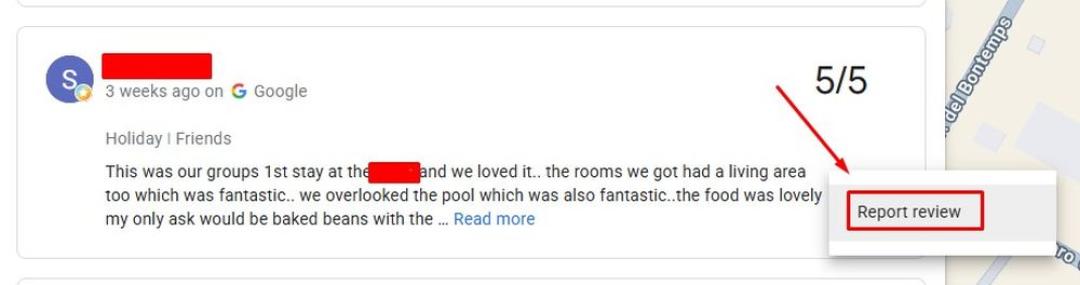
Image Credit: ScamAdviser
Open the review on Trustpilot and use the flagging option.
Flag reviews that appear fake, harmful, unrelated to a real customer experience, or part of a suspicious review campaign. Also check whether the company has a pattern of vague five-star reviews and detailed one-star complaints.
You can report suspicious websites and reviews on the Report a Scam page. Fill in the information that you have, and help us make the internet a better and safer place!
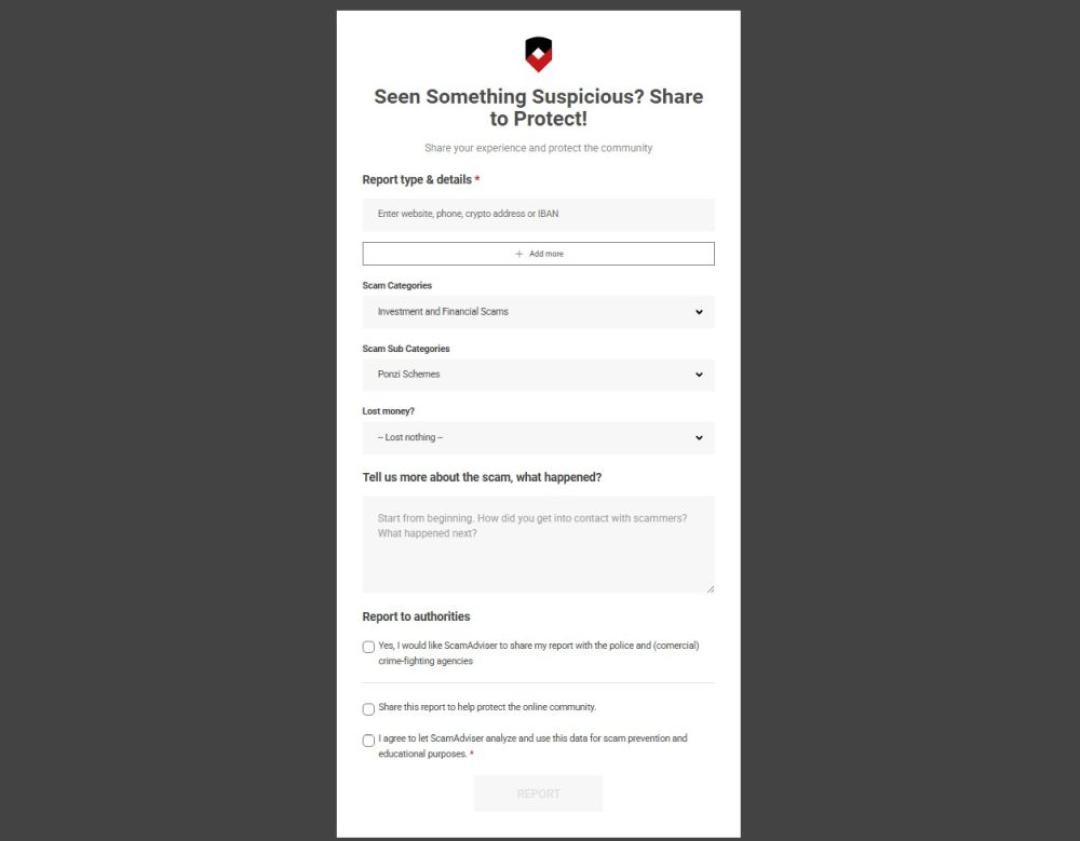
Image Credit: ScamAdviser
How can I tell if reviews are fake?
Fake reviews often use vague praise, empty reviewer profiles, repeated wording, sudden review bursts, or ratings that do not match real customer complaints.
Are fake Google reviews illegal?
In the United States, the FTC bans the sale or purchase of fake reviews and testimonials, and Google also bans fake engagement.
Can Trustpilot reviews be fake?
Yes, Trustpilot removes millions of detected fake reviews each year, so users should still read review patterns carefully.
Can verified reviews still be fake?
Yes, verified labels can add trust, but they do not remove the need to check review wording, timing, reviewer profiles, and complaint patterns.
