ZH

评论是一个品牌是否值得信赖的 "社会证明"。评论是最重要的信息来源之一,可以确定网站的销售是否符合承诺,是否提供了良好的服务,以及公司是否尊重客户。顾客可以通过评论向所有感兴趣的人讲述自己的经历,并传递知识。评论甚至可以成为消费者与企业合作的决定性因素。显然,无论品牌是在线上还是线下迎合消费者,评论都是品牌在线形象的重要组成部分。
鉴于在线评论的重要性,有人试图通过为企业撰写评论来赚钱。他们通常在 Google、TrustPilot、TripAdvisor 等第三方平台或社交媒体网站上撰写评论。有些公司为撰写评论和增加社交媒体粉丝收取高额费用。在评论网站上拥有良好声誉的账户所写的评论甚至可以获得高价。虚假在线评论是一个日益增长的行业,对消费者造成了极大的损害。
下面的价格表显示了企业通过虚假评论来建立良好声誉的过程是多么容易和廉价。评论的价格因账户所在地、账户年龄和评论投入的精力等因素而异。有几家公司的收费低于以下价格,因为它们通常位于发展中国家,使用机器人或黑客账户对网页进行评论轰炸。另一方面,有些公司可能会收取更高的费用,但会提供来自真实账户(有影响力者)的更高质量的评论。
由于这些服务的广泛存在,我们--消费者--就需要辨别评论的真伪了。然而,辨别真假评论相对较难。
虚假评论可能会有一些蛛丝马迹,使其与真实评论区别开来:
联系评论者:有些评论网站允许您联系评论者。利用这一点询问他们的经历。虚假评论者从不回复,而真实评论者可能会回复。
不过,Scamadviser.com 会深入查看评论,并根据各种数据点(如网站年龄、来源国、业务性质等)估算分数。
如果您想了解更多关于评论的信息,并进行一次测验,我们向您推荐这些网站:Theconversation.com和marketwatch. com。我们还推荐 YouTube 频道 "虚假评论观察"(请参阅下面的精彩分析视频之一)。
Google reviews can be useful, but they can also be manipulated.
Google says fake engagement is not allowed. This includes reviews that are not based on a real experience, reviews posted from multiple accounts, and reviews written because someone paid or asked for them in a misleading way.
When you check Google reviews, look beyond the stars.
Check whether reviewers have a normal local review history. A real local reviewer may have reviewed restaurants, shops, services, or places in the same area over time. A suspicious account may only review one business or may post glowing reviews for unrelated businesses across different regions.
Also check how the business replies. Real replies usually answer the complaint. Generic replies often say “please contact support” without dealing with the issue.
A Google rating can support your decision, but it should not make the decision for you.
Trustpilot reviews can add useful context, but users should still read the patterns carefully.
Trustpilot reported that it removed 4.5 million detected fake reviews in 2024, and 90% were detected automatically by its fake review detection models. That number shows how large the fake review problem is, even on platforms that invest in detection.
When you check Trustpilot, do not only look at the score. Open the reviews and compare the positive and negative comments.
Look for these signals:
A Trustpilot profile can help you understand a company, but it should not replace a full website check.
Use this checklist before you enter payment details or personal information.
If you have anything to share, please contact ScamAdviser
Reporting fake reviews can protect other users.
The right reporting path depends on where the review appears. If the fake review appears on Google, report it through Google Search or Google Maps. If it appears on Trustpilot, use the platform’s flagging option. If the fake reviews support a suspicious website, report the website to ScamAdviser as well.
Open the review on Google Search or Google Maps, choose the report option, and select the reason that best matches the issue.
Report reviews that appear paid, copied, posted by fake accounts, unrelated to real experience, or part of a clear review pattern
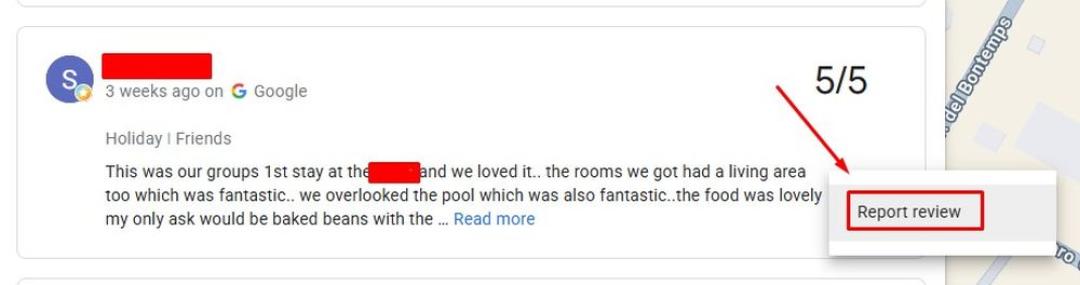
Image Credit: ScamAdviser
Open the review on Trustpilot and use the flagging option.
Flag reviews that appear fake, harmful, unrelated to a real customer experience, or part of a suspicious review campaign. Also check whether the company has a pattern of vague five-star reviews and detailed one-star complaints.
You can report suspicious websites and reviews on the Report a Scam page. Fill in the information that you have, and help us make the internet a better and safer place!
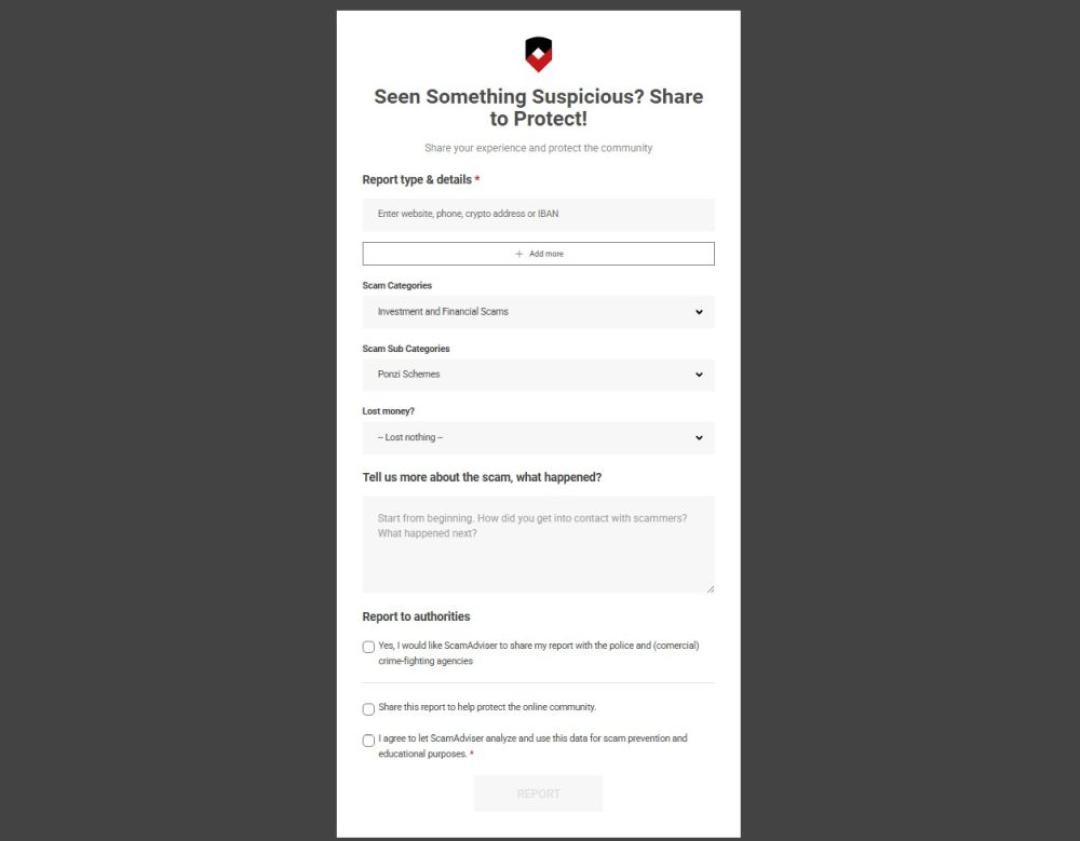
Image Credit: ScamAdviser
How can I tell if reviews are fake?
Fake reviews often use vague praise, empty reviewer profiles, repeated wording, sudden review bursts, or ratings that do not match real customer complaints.
Are fake Google reviews illegal?
In the United States, the FTC bans the sale or purchase of fake reviews and testimonials, and Google also bans fake engagement.
Can Trustpilot reviews be fake?
Yes, Trustpilot removes millions of detected fake reviews each year, so users should still read review patterns carefully.
Can verified reviews still be fake?
Yes, verified labels can add trust, but they do not remove the need to check review wording, timing, reviewer profiles, and complaint patterns.
